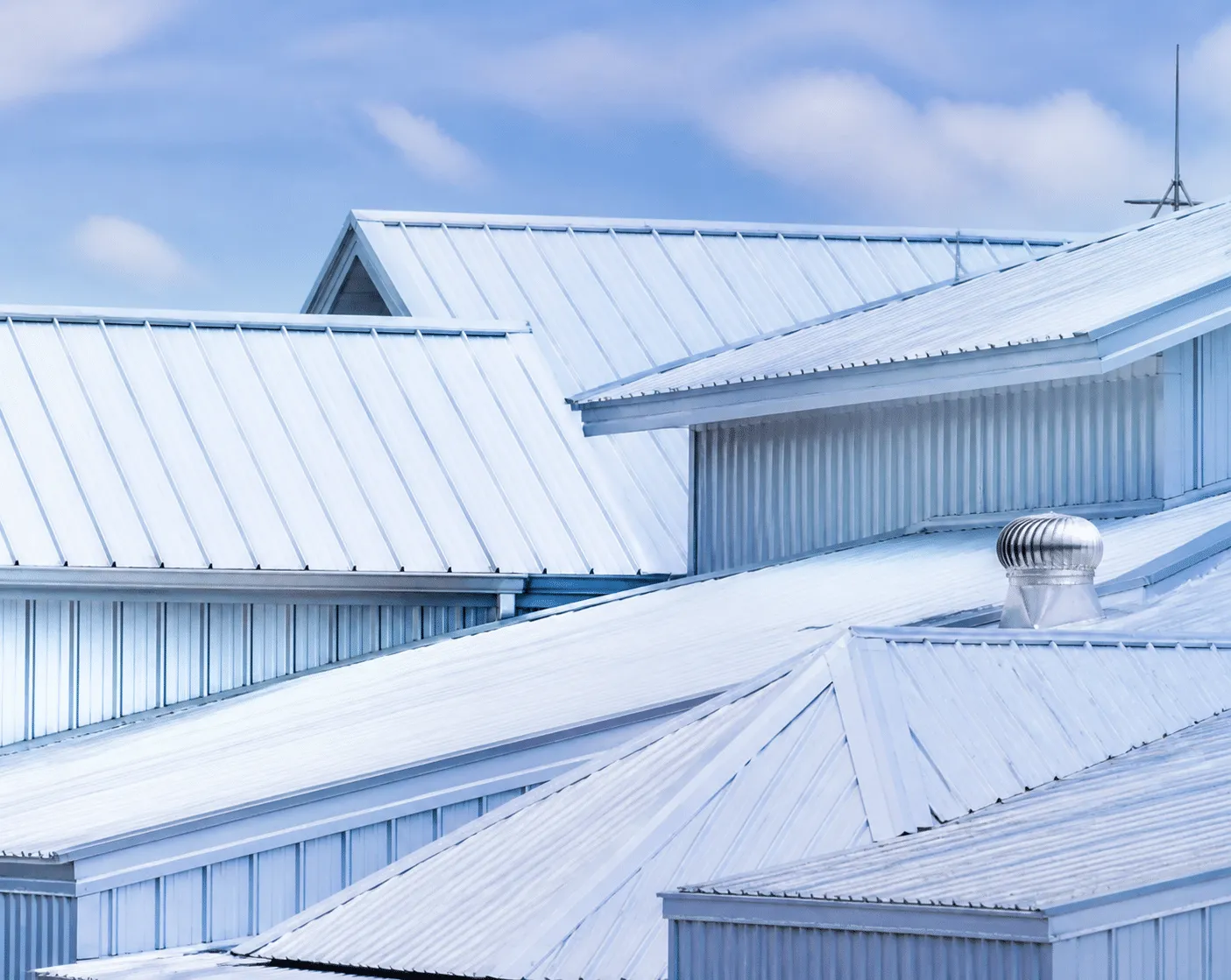
Introduction: Meeting the Demands of Kanpur's Evolving Skyline
Pick any road out of Kanpur right now and you'll see it. New sheds going up. Cranes where there were empty plots last year. The city isn't just growing, it's changing what it builds.
A big reason is the Uttar Pradesh Defence Industrial Corridor. As of March 2026, UPEIDA reported ₹35,526.76 crore in investment proposals across the corridor, with ₹12,803 crore of that tied to Kanpur alone. Not all of it is built yet (a lot is still proposed), but nine units are already running. Add Aero City, Knowledge City near IIT Kanpur, and a planned Kanpur-Kabrai highway, and you get a steady stream of factories, warehouses and campuses that all need a good roof.
That's good news for builders and contractors. But it's also a headache.
The Roofing Puzzle Nobody Warned You About
Here's the deal. You want a roof that lasts, costs less than your budget allows, shows up on time, and doesn't look like a leftover from 1995. Getting all four? Tough. Cheap sheets rust early or fade in a couple of seasons. Premium ones can come with long waits and thin support. And asbestos or basic GI sheets, which many of us grew up with, bring their own problems like leaks at joints, heat gain, corrosion and costly replacements.
I'll be honest, I don't have a neat survey showing exactly how many Uttar Pradesh project managers complain about these materials. But the same worries keep coming up on job sites: repeated repairs, mismatched colours across a big roof, and shaky delivery dates.
So what's a smart buyer to do?
What This Article Covers
We'll walk through 4 roofing trends shaping how people buy in Kanpur in 2026, from tougher materials to faster installation. We'll also look at how to pick a dependable colour coated roofing sheet manufacturer in Kanpur without getting burned. The goal is simple: help you make smarter, more profitable buying decisions on your next project.
Let's start with the biggest shift of all.
Trend #1: The Critical Shift to High-Performance, Weather-Resistant Materials
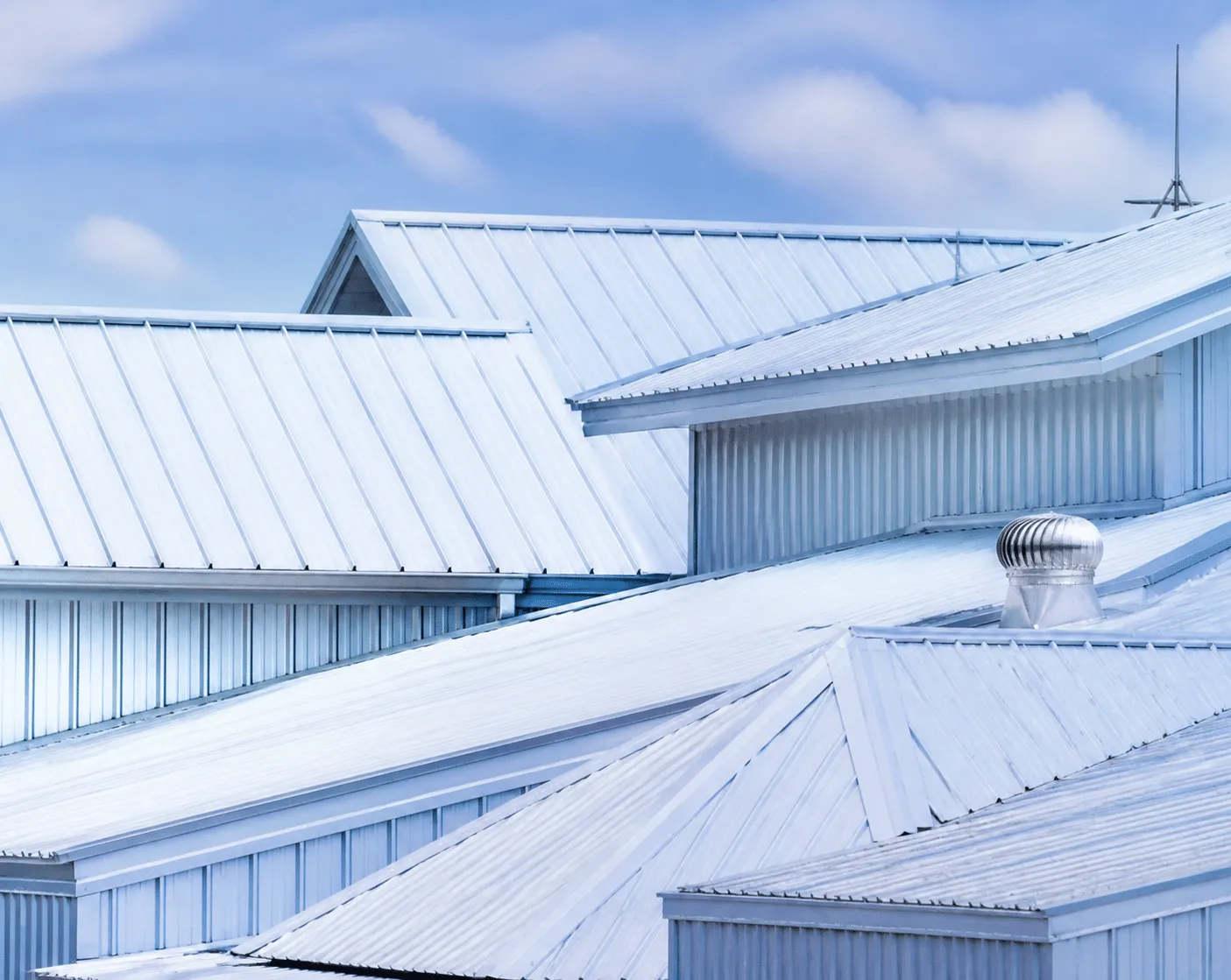
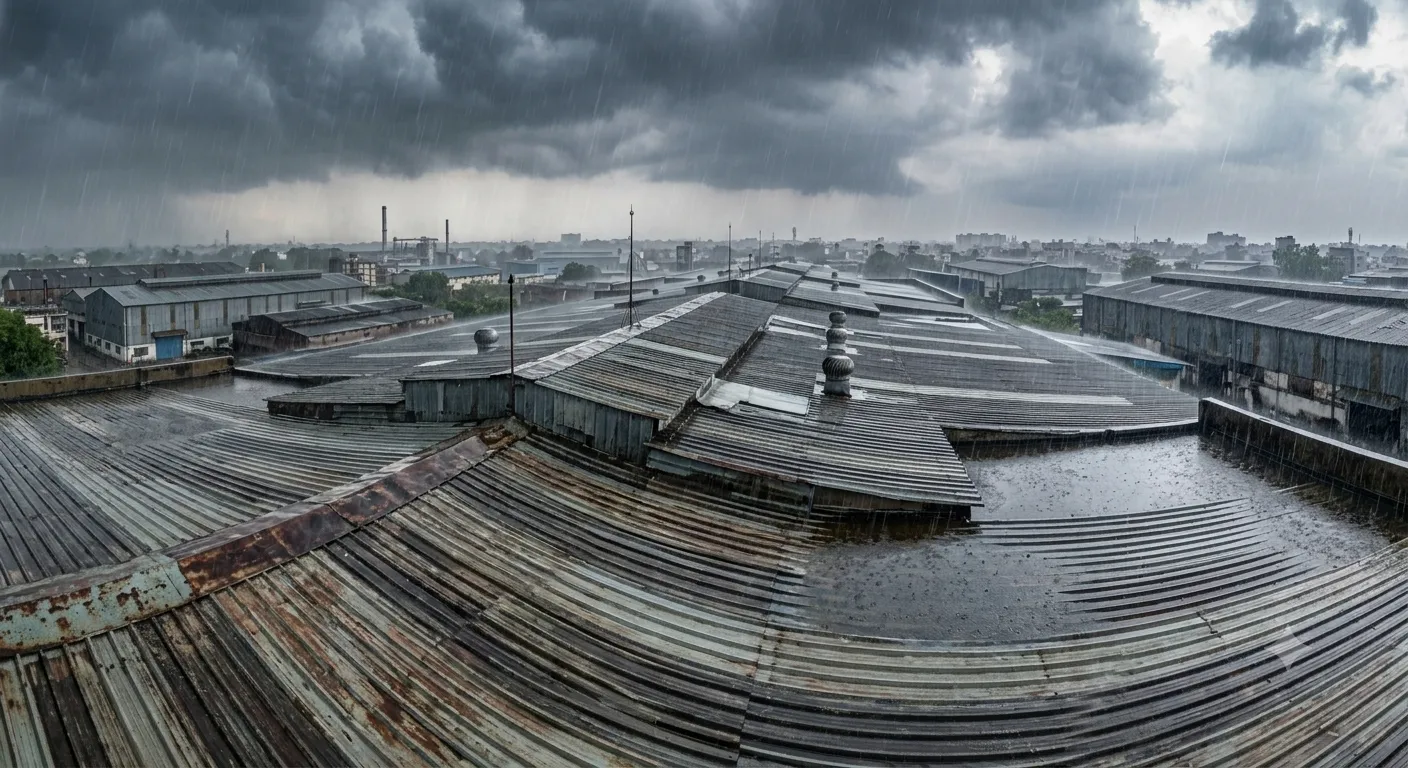
Ask any site engineer in Kanpur what worries them most about a roof. Heat in May. Heavy rain in July. Industrial fumes all year. Roofs here take a beating, and the old standbys are starting to lose.
Why Asbestos and Basic GI Keep Letting Builders Down
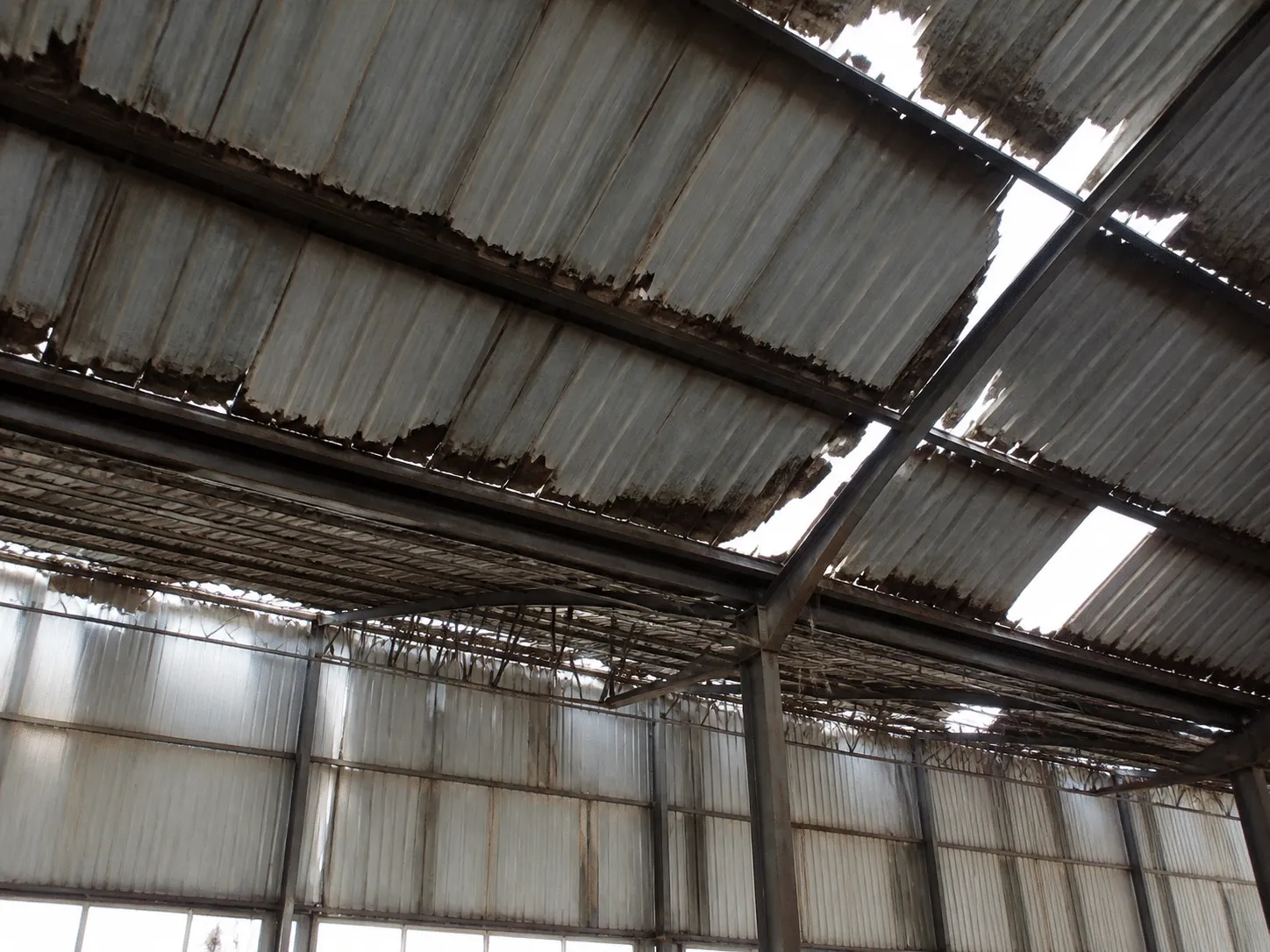
Let's start with what many of us grew up with. Asbestos sheets are brittle, so they crack during handling. They leak at joints, trap heat in summer, and bring health and disposal headaches when it's time to replace them. Not fun.
Basic GI sheets have their own story. The zinc layer is thin, and once it gets scratched, moisture and fumes go to work. Rust usually starts at cut edges and screw holes. Then come fading, chalking, and a roar of noise when the rain hits. I can't point to a Kanpur survey on this (there isn't a reliable one), but these are the complaints that keep showing up in construction practice.
What Makes PPGL and Colour Coated Sheets Different
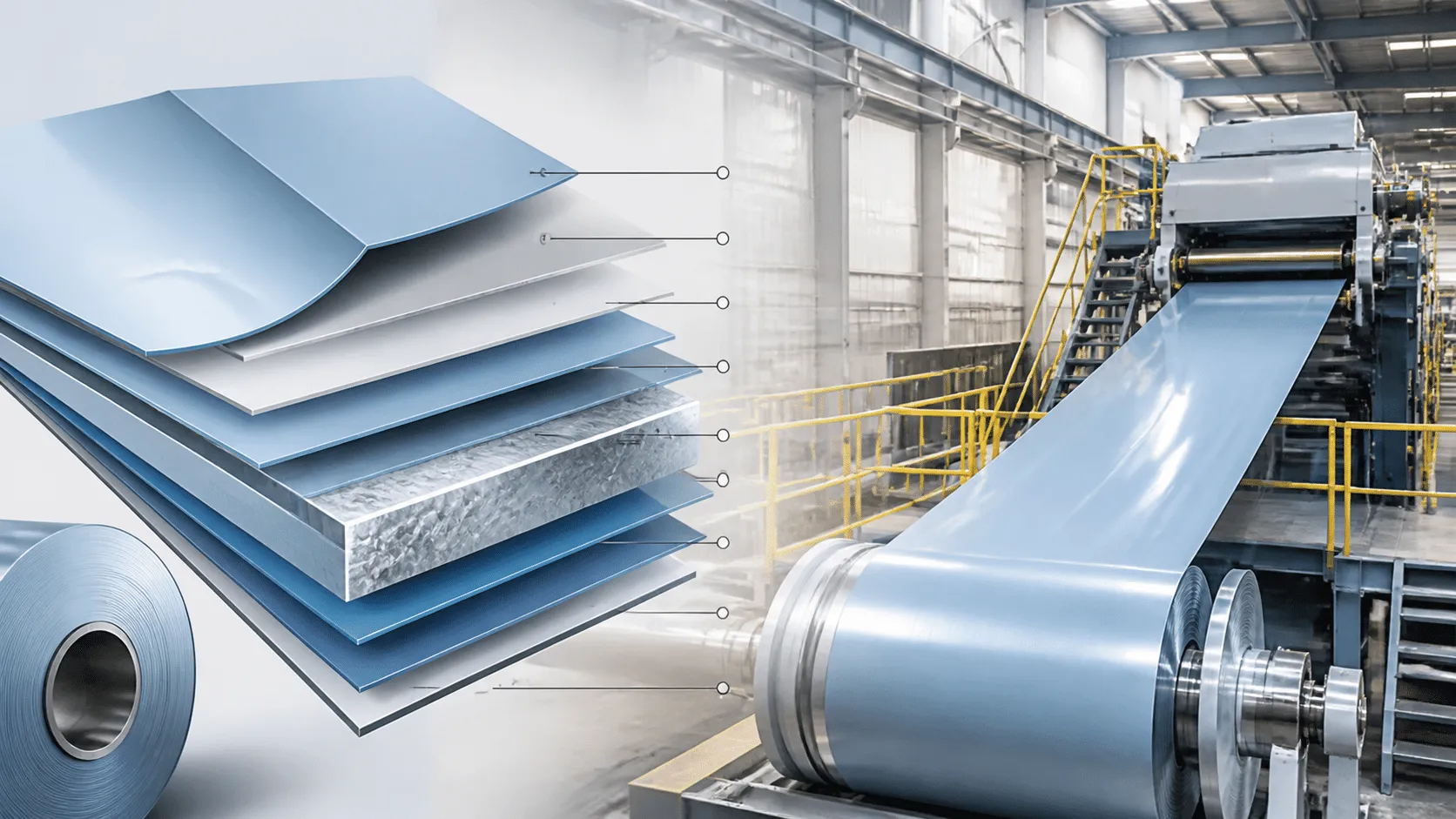
So what's the fix? A PPGL sheet is steel wrapped in layers, and each layer has a job:
Steel core: gives the sheet its strength.
Aluminium-zinc coating: blocks rust, even when the surface gets a small nick.
Primer: helps the paint grip the metal.
Topcoat (polyester, SMP or PVDF): fights UV, fading and chemical fumes.
That stack is why a good colour coated sheet handles Kanpur's mix of sun, moisture and pollution better than bare galvanized steel. Here's how the three materials compare. Treat the lifespans as planning ranges, not warranties.
Feature | PPGL Sheets | Standard GI Sheets | Asbestos Sheets |
|---|---|---|---|
Lifespan | About 20 to 30 years when specified and installed well | About 10 to 15 years in damp or polluted spots | Varies a lot; ages unevenly and breaks easily |
Corrosion resistance | High, thanks to aluminium-zinc plus paint | Moderate; weak at cut edges and scratches | Doesn't rust, but weathers and cracks |
Maintenance needs | Low; occasional wash and fastener checks | Medium to high; repainting and patching | High; joint repairs and careful handling |
Weight | Light | Light | Heavy, needs sturdier framing |
The Long-Term Value Argument
Here's where the numbers matter. One 2026 Indian roofing comparison puts Galvalume-type sheets at 20 to 40 years, against 10 to 15 for standard galvanized. It's industry guidance, not a controlled Kanpur study, so take it with some salt.
Still, the logic holds. A buyer guide suggests the higher upfront price can pay for itself within 10 to 15 years through less maintenance and later replacement. Fewer repairs also means fewer shutdowns in a factory or warehouse. Honestly, that downtime cost is the one people forget.
One tip: put the specs on the quotation. Ask for the metallic coating (AZ150 is a sensible floor for industrial roofs), the base-metal thickness, and the paint system. Suppliers like RSG Profile Sheets offer PPGL, colour coated, galvanized and trapezoidal options, so you can compare them side by side.
Durable sheets are only half the story, though. Next up is how a roof looks.
Trend #2: Customization and Aesthetics as a Competitive Differentiator
Drive past a plain, patchy warehouse and what do you think? Probably "cheap." Now picture a clean grey-and-blue factory with a roof that matches the company logo. Different feeling, right?
That's the shift. A roof used to be the thing you bought last and thought about least. These days, on a big commercial or industrial building, it's the largest surface people see.
Roofs Are Part of the Brand Now
A showroom, a school campus or a logistics yard all send a message, and the roof is a big chunk of it. Developers want it to look planned, not patched. Clients want it to match brand colours or the rest of the complex. And with new campuses and industrial estates going up around Kanpur, there's more competition for attention (and for tenants).
What Colour Coated Sheets Can Actually Do
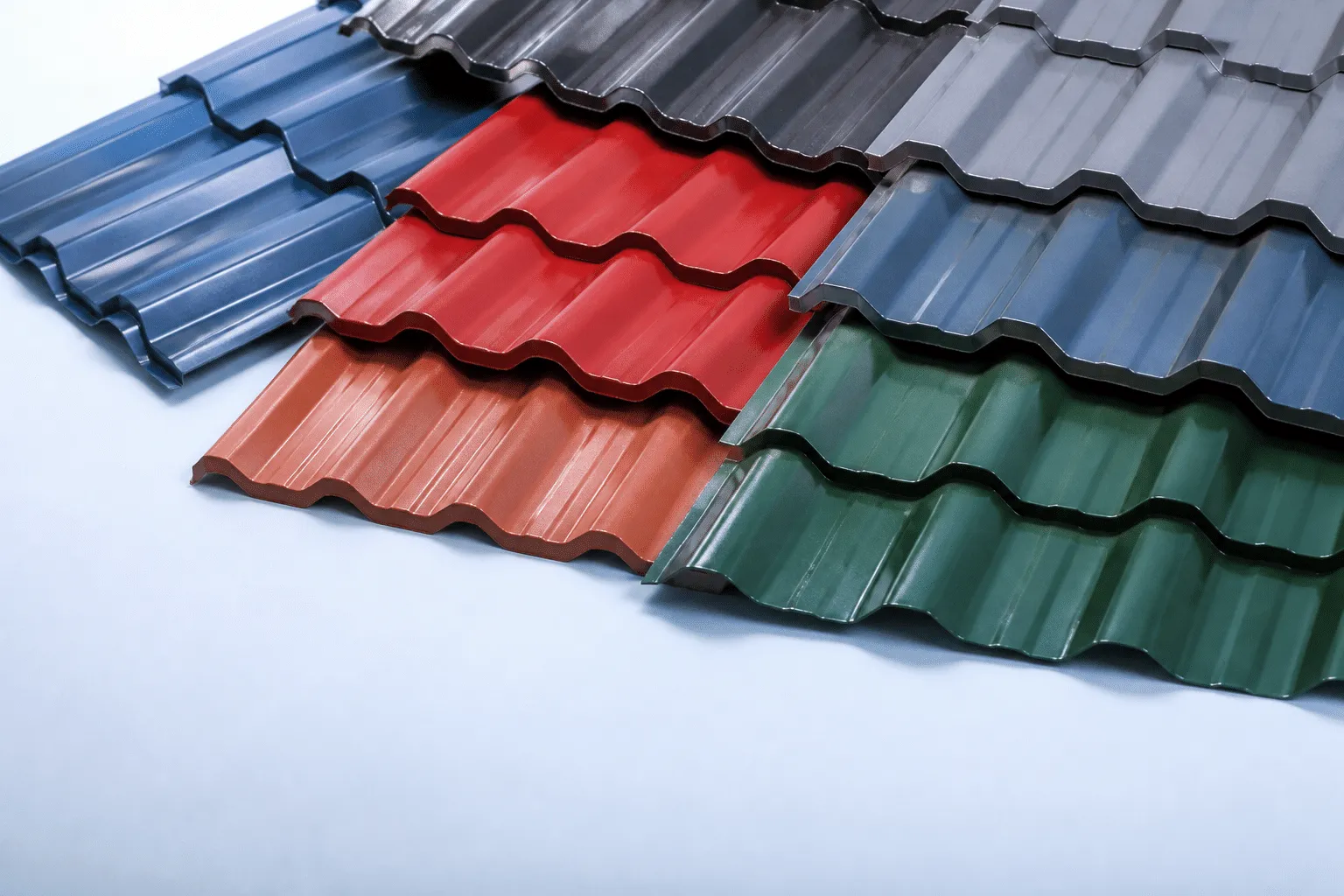
Here's where colour coated steel earns its keep. You get a choice of shade, finish and shape, all on one durable base.
Colour: Indian supplier catalogues in 2026 commonly list blue, green, red and grey as standard, with options like brick red, turquoise blue, silver, mist green and terracotta.
Finish: Glossy or matte looks depend on the paint system, so ask for a physical sample.
Profile: Trapezoidal profile sheets in Kanpur give a bold, ribbed look. Corrugated profiles feel more classic.
I couldn't find a survey that ranks colours by project type, so treat this as a market pattern from supplier listings, not hard science.
Project type | Colours you'll often see | Why people pick them |
|---|---|---|
Factories and warehouses | Blue, grey, silver, white | Blue is a familiar industrial look; white reflects heat |
Commercial and institutional | Grey, silver, selected blues | Clean, modern, easy to match with cladding |
Farmhouses and residential | Brick red, terracotta, green | Warmer, more traditional appearance |
When you ask for a quote, give the RAL code or a sample panel. "Sort of dark blue" gets you whatever's in the yard.
Why a Manufacturer Beats a Trader Here
This is where the supplier type really matters. A trader sells what's on the shelf. A manufacturer can run a custom colour or cut a specific profile for your design.
Custom work isn't magic, though. Matching colour across separate batches is hard, and non-standard shades may need a dedicated paint run or a minimum order. A good manufacturer handles that. Order the whole roof from one batch if you can, and get the colour reference in writing.
Suppliers like RSG Profile Sheets make colour coated, PPGL and trapezoidal sheets, so it's worth asking what custom options fit your drawings.
A great-looking roof still has to arrive on time, though. That's the next trend.
Trend #3: Focus on Supply Chain Reliability and Integrated Roofing Systems
Picture this. The sheets show up on Monday. The ridge caps? Still sitting in another vendor's yard. The screws arrive Thursday, and they're the wrong length. Your crew stands around, and the clock keeps running.
We've all been there, or we know someone who has.
The Multi-Vendor Headache
Many builders in Kanpur still buy sheets from one place, flashings from another, and purlins from a third. It feels cheaper on paper. In practice it often turns into a juggling act.
I couldn't find a reliable 2025 or 2026 Indian study that puts a rupee figure on delays from mismatched roofing parts, so I won't invent one. But the risks are easy to spot on any site:
Profiles and fixing details don't line up, so you get rework and extra cutting.
Deliveries land on different days, and the missing item stops everything.
Coating and quality differ between vendors, so the roof looks patchy.
When a leak shows up, each supplier points at the other one.
That last one is the real killer. Nobody owns the whole roof.
What an Integrated Roofing System Actually Includes
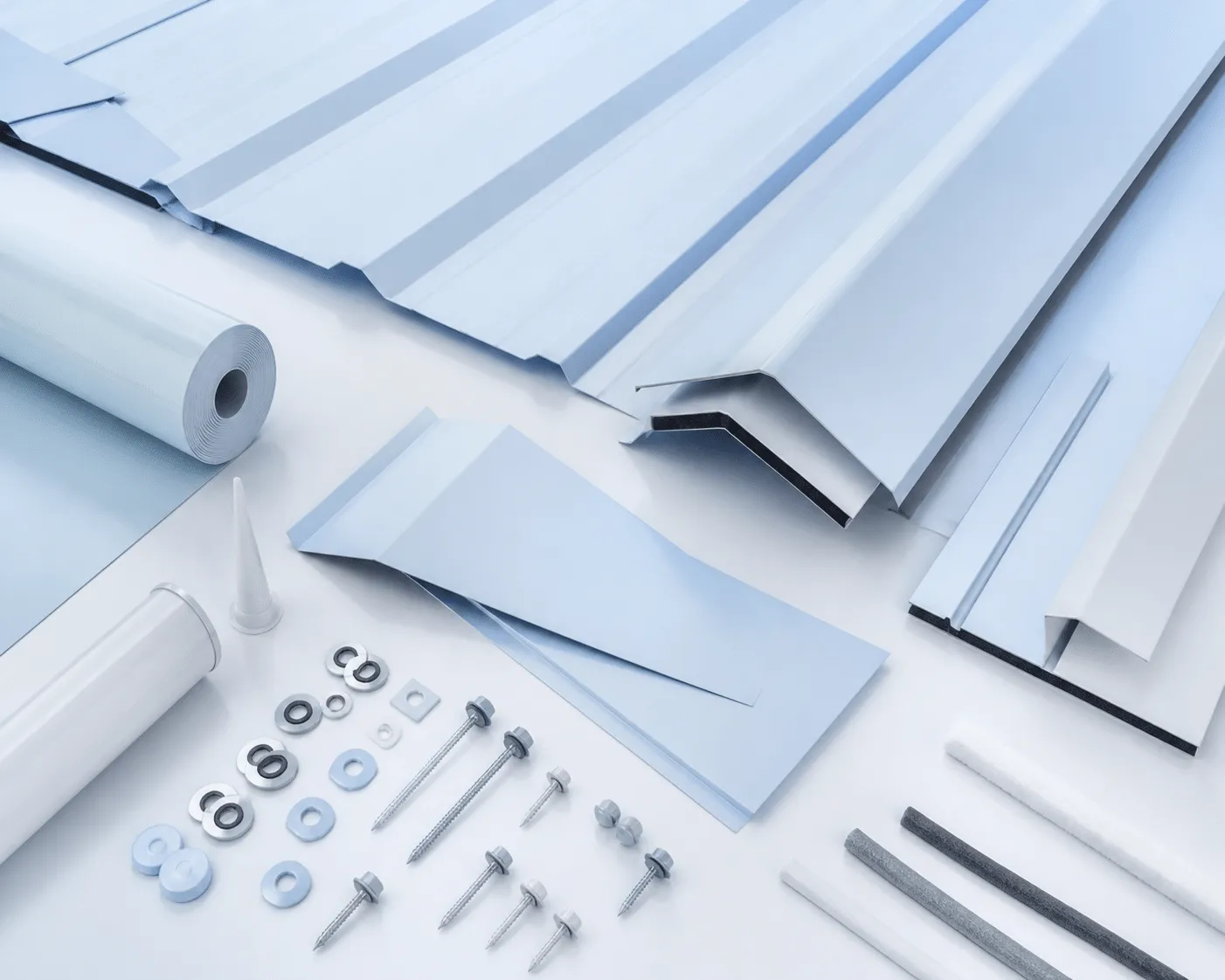
An integrated roofing system just means the whole roof assembly comes as one planned package. Here's what's usually in it and what each part does.
Component | What it does | Why compatibility matters |
|---|---|---|
Colour-coated or PPGL sheets | Main weather barrier | Profile and thickness set the fixing pattern |
Purlins and supports | Carry the sheets and the roof load | Spacing must suit the sheet span |
Self-drilling screws with sealing washers | Hold sheets down, keep water out | Wrong length or washer means leaks |
Ridge caps, barge and eave flashings | Seal the edges and joints | Must match the profile exactly |
Closures, butyl tape and sealant | Close gaps at laps and ends | Cheap sealant fails early |
Gutters and downpipes | Move rain away from the structure | Need to line up with eave details |
Ventilation and skylight panels | Cut heat, add daylight | Should fit the same profile |
When one supplier plans all of this together, the parts are made to work as a set. Not a guess. A set.
Why One Reliable Manufacturer Makes Life Easier
Here's where a dependable colour coated roofing sheet manufacturer in Kanpur earns its place. You deal with one team, one quotation and one delivery schedule instead of five. Fewer phone calls, fewer surprises.
A few things tend to improve:
Compatibility: Sheets, flashings and fasteners come from the same drawings, so they fit.
Colour match: Accessories can be coated to match the sheets, which helps the mismatch problem we talked about earlier.
Delivery: One dispatch plan means the whole roof package can arrive together, which matters on big sheds and campuses.
Accountability: One name on the warranty. If something fails, you know who to call.
A word of caution (and I mean this). Plenty of suppliers claim fast delivery and wide coverage. Kohli Enterprises, for example, advertises a 25-metric-ton production capacity and delivery in one to two days, but those are company claims. Ask for dispatch records or past project references before you trust any promise like that.
RSG Profile Sheets supplies colour coated, PPGL, galvanized and trapezoidal sheets along with complete roofing systems, with a focus on Uttar Pradesh. That kind of range is what lets a single supplier cover a full roof.
Once everything arrives together, the next question is how fast and how safely it goes up.
Trend #4: Streamlining On-Site Operations with Faster, Safer Installation
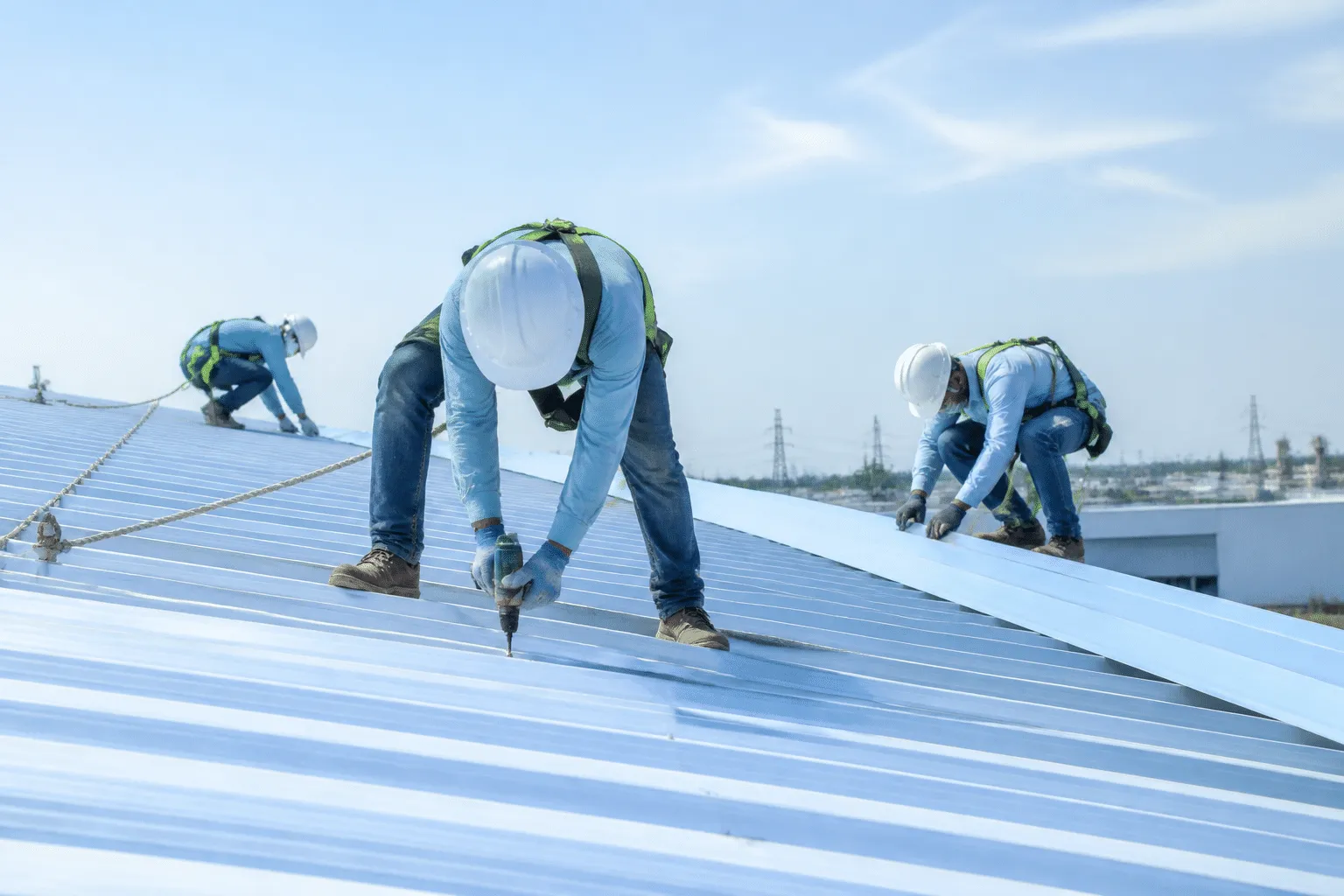
Picture a crew hauling a brittle asbestos sheet up a ladder in 40 degree heat. It cracks halfway up. Again. Nobody's happy, and the schedule slips a little more.
This is the trend that site managers care about most, because it hits the deadline directly.
Why Lightweight Profile Sheets Go Up Faster
I'll be straight with you. I couldn't find a reliable 2025 or 2026 Indian field study that gives man-hours per 100 square metres for each roofing type, so I won't make up a number. What I can say is how the work usually goes. Big profiled metal sheets cover more area per lift, need fewer joints, and get fixed straight to the purlins with self-drilling screws. Concrete tiles are handled one at a time. Asbestos sheets can be quick to lay, but they snap if someone steps on an unsupported patch.
Roofing type | Handling | Joints and fixing | Breakage risk | Load on framing |
|---|---|---|---|---|
Profile sheets (PPGL, colour coated) | Light, fewer lifts | Fewer joints, screwed to purlins | Low | Light |
Concrete tiles | Piece by piece | Many fixings, extra work at ridges and valleys | Medium | Heavy |
Asbestos sheets | Moderate, needs care | Quick to lay, but leaks at joints | High | Heavy |
Cut-to-Length Sheets Save Hours (and Money)
Here's where your supplier choice shows up on site. If a manufacturer cuts sheets to your roof schedule, your crew isn't measuring, marking and trimming on the roof all day. Less cutting means less waste, fewer labour hours, and less metal swarf scattered on the paint (swarf rusts and stains, so that matters).
Send the manufacturer a cutting list with roof lengths and overlaps. Ask for ridge caps and flashings in the same order. RSG Profile Sheets makes trapezoidal and other profile sheets, so it's worth asking what lengths they can run for your drawings.
Safer for the Crew and the Building
Lighter roofing puts less load on the structure. That can mean lighter framing, and it definitely means easier handling for the people carrying it. Fewer cracked sheets also means fewer awkward moments at height.
But long sheets aren't risk-free. They flex in wind, and they dent if you drag them. A few habits help:
Plan the lift before delivery, and support long sheets at several points.
Never lift in strong wind.
Walk only along the purlin lines, and use crawling boards where you can't avoid stepping on the roof.
Put edge protection and harnesses in place before anyone climbs up.
The tool list is simple, too. A Kanpur colour coated steel dealer listing names a power drill, screws, a level, measuring tools, sealant with a caulking gun, goggles, gloves and a ladder. Add correct-length screws with sealing washers, and you've covered most of it.
Fast, safe installation only pays off if the sheets are right to begin with. So how do you pick the manufacturer behind them?
How to Vet and Select the Best Colour Coated Roofing Sheet Manufacturer in Kanpur
You've seen the trends. Now comes the part where money changes hands. Picking a supplier is where a lot of good roofing plans quietly fall apart, so let's make it a bit less of a gamble.
Here's a simple 3-part check you can run on any quote. It works for procurement managers, project managers and site engineers alike.
Criterion 1: Check How They Actually Make the Sheet
Start with the raw material. Ask which mill supplies the steel coil, what grade it is, and whether it's prime coil (not seconds or rejects). A real manufacturer answers this in one breath. A trader often goes quiet.
Then ask for paperwork, not promises. Every batch should come with a mill test certificate that shows base metal thickness, coating mass, paint system and coil number. Also ask which standard applies. For pre-painted galvanized roofing sheet, IS 14246:2024 is listed in the BIS 2025 compendium, so a supplier should at least be able to talk about it.
Quality labs matter too. A 2025 Jindal product document shows what good testing looks like: paint thickness, adhesion, bend, impact and salt-spray checks. Ask which of those happen in-house and which go to an outside lab.
One honest caveat. ISO certification is a good sign, but it mostly proves a company follows a quality process. It doesn't prove your sheet meets spec. Treat it as a starting point, then ask for a plant visit (or at least a video walk-through). Directory labels like "manufacturer" are loose, and Kanpur listings on Justdial mix makers, dealers and distributors together.
Criterion 2: Look at Range and Real Customization
A good supplier shouldn't force your design into whatever's in stock. Ask about:
Profiles: trapezoidal, corrugated and others, plus the lengths they can cut.
Colours: standard shades, custom RAL codes, and any minimum order for non-standard ones.
Thickness: base metal thickness (BMT), not just a vague "0.50 mm". Industrial roofs commonly sit around 0.45 to 0.55 mm BMT.
Coating: AZ150 or higher for polluted sites. Confirm the number is total on both sides, not per side.
Ask for a physical sample panel too. Screens lie about colour. RSG Profile Sheets, for one, lists colour coated, PPGL, galvanized and trapezoidal options, which is the kind of spread you want to compare.
Criterion 3: Test Their Delivery and Support
A great sheet that arrives three weeks late is still a problem. Ask how they deliver across Uttar Pradesh, how much stock they keep for fast dispatch, and who handles a missing ridge cap on a Friday evening.
It helps to know what good looks like. Apex Metals, a northern supplier, advertises protective packaging, GPS tracking and unloading help. Those are company claims, so verify them, but they're the right questions to copy.
Support matters before and after the sale. You want help with span and fastener choices up front, then a written warranty and a named contact if something goes wrong. "Quality guaranteed" on an invoice isn't a warranty.
Your Supplier Vetting Checklist
Copy this into your own tender file.
Check | Ask for | Green flag | Red flag |
|---|---|---|---|
Raw material | Mill name, grade, coil number | Prime coil, traceable batches | "Same as everyone's" |
Standards | MTC and IS reference | Batch-specific certificate | Generic or old certificate |
Testing | Test list and lab details | In-house lab plus outside checks | No sample, no tests |
Thickness and coating | BMT, AZ value, paint microns | Numbers written on quote | Only "0.50 mm" |
Customization | Profiles, colours, cut lengths | Sample panel, written colour code | Only stock items |
Delivery | UP coverage, stock, dispatch plan | Dated schedule | Vague "1 to 2 days" with no records |
Support | Technical contact, warranty | Written terms, named person | Verbal promises |
Payment | Milestones, rejection terms | Clear inspection rights | Full advance, no terms |
If a supplier clears most of this table, you're in good shape. Next, let's pull it all together.
Conclusion: Building a Resilient Future for Kanpur's Infrastructure
So, where does that leave us? Four trends, one clear direction.
Roofs in Kanpur are getting tougher, better looking, easier to source and faster to install. Here's the short version:
Durable materials: PPGL and good colour coated sheets are replacing asbestos and basic GI because they handle heat, rain and fumes with fewer repairs.
Aesthetics: A roof is now part of the brand, so custom colours and profiles matter.
Integrated systems: One planned package beats five vendors and a pile of finger-pointing.
Faster installation: Lightweight, cut-to-length sheets save hours and keep crews safer.
Here's the thing though. Following these trends isn't about looking current. It's about building projects that last longer, cost less over the years, and look better on day one and day 1,000. I can't promise every roof hits those marks (specs and installation still decide a lot), but the odds improve when you choose carefully.
That's why the supplier matters as much as the sheet. Ask for the numbers, the certificates and the sample panel. A forward-thinking manufacturer won't mind. They'll expect it.
Discuss Your Next Project with a Roofing Expert
Planning a warehouse, factory, campus or farmhouse in Kanpur? Share your roof area, preferred profile, sheet thickness, coating needs, colour and delivery date. The RSG Profile Sheets team can help you work out a roofing plan that fits. Start the conversation here and get your next roof right the first time.